
Religion that is pure and undefiled before God the Father is this: to care for orphans and widows in their distress and to keep oneself unstained by the world.
James 1:27
Have you read the book, “Loving, Not Losing, My Religion”?
Probably not, since I haven’t written it yet.
But I might! For decades now, I’ve read about the decline of The Church, disillusionment with the institution, and an emphasis on spirituality over religion.
Actually, my own experience has proven much of that to be true. I see people stifled by the constraints of church, stuck in a hierarchy, locked into misplaced priorities and outdated traditions. Don’t even get me started on harsh, guilt-based churches that squelch critical thinking and acceptance of others.
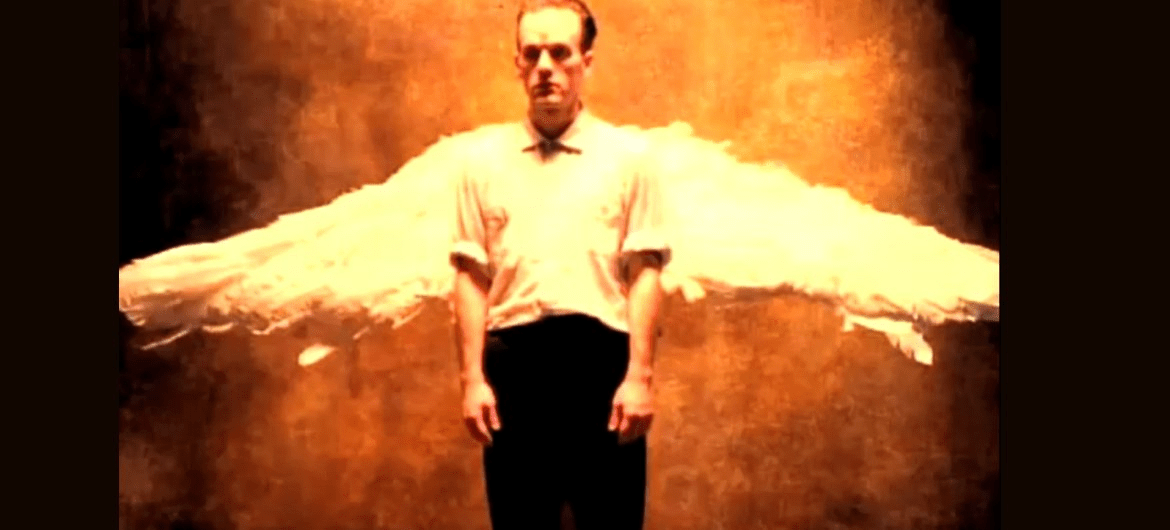
In that sense, “Losing My Religion” by REM could be the theme song to the last forty years.
But it doesn’t have to be. Amidst all the struggles, the conflicts, the apathy and outright hatred of such institutions, I’m here to propose what seems to be a minority view:
I love religion.
I do! Maybe not what it’s become but would it COULD be. People reject religion as a failed experiment, but in my life as a Christian and a pastor, I’ve seen many glimpses of what organized religion can offer this world.
So here are some things to think about. Each one of these could be a chapter in my book, but for this devotion’s purposes, I invite you to reflect on what religion might have to offer you.
- My definition of religion: People, united by inspired beliefs and practices, who connect to God, each other, and the world. Christianity is, then, people who ground their lives and practices upon the love and teachings of Christ.
- What if? What if religion is exactly what this world needs right now? Not as an oppressive form of control, but as a liberating framework for fruitful living? Christianity at its best is less dogmatic, and more relevant. More joyful, nimble, accepting, and focused outwards. Paul preached about some of this, however…
- Don’t forget James: James, very likely the brother of Jesus, presents a more ethical understanding of Christ’s teaching than Paul, emphasizing commitment, social justice and communal living. How would the Christian religion be different if we critiqued some of Paul’s Hellenistic views, and added a little more “James” to the mix? (Time to reread James!)
- Are we “Open” to it? Rupertus Meldenius once wrote, “In Essentials Unity, In Non-Essentials Liberty, In All Things Charity.” Healthy religion doesn’t require complete conformity. A modern version of this sentiment is the United Methodist slogan, “Open Hearts, Open Minds, Open Doors”.
- Open Hearts and Minds. Spirituality is increasingly seen as an individual act, and it certainly can be. But when a community of people seek to know God together, remarkable things, Pentecost things, can happen. Alone, in small groups, and as a whole, the Body of Christ is called towards spiritual maturity.
- The “Open door” swings both ways. Healthy religion turns both inward and outward. Faith-based organizations provide an enormous amount of financial and hands-on support for those in need. Christianity is at its best when its members get their hands dirty, led by the Spirit.
- At our worst? Conflicts in a church can be petty, but they can also be transformative. Even a large group of believers can learn to do what John Wesley called “Christian Conferencing”. He believed this religious practice was a means of grace, by which we could listen, debate, disagree, and ultimately learn from each other. A healthy approach to conflict can enhance, rather than detract, from the growth of a religious group.
I could go on. If this all sounds like a pipe dream, this shining image of religion as a spiritual, organized, life-giving force for individuals and communities—well, maybe it is. But it’s a dream worth chasing.
Religion, in its best and most vibrant form, has the power to unite us, inspire us, challenge us, and send us out into the world better than we came in. It’s not perfect (and never will be), but neither are we. The point isn’t perfection—it’s participation. It’s about striving together, as messy and flawed as we are, toward something holy, something meaningful.
So maybe you, too, can find a way to love religion—not necessarily what it is, but what it could be. Because if enough of us believe in that vision, and work for it, we might just catch a glimpse of the kingdom of God among us.
Is it worth the effort?
I say we’ve got nothing…
to lose.
(Any publishers out there?)
Have a great week,
Mitch

Leave a Reply